Introduction to Water System Maintenance at Home
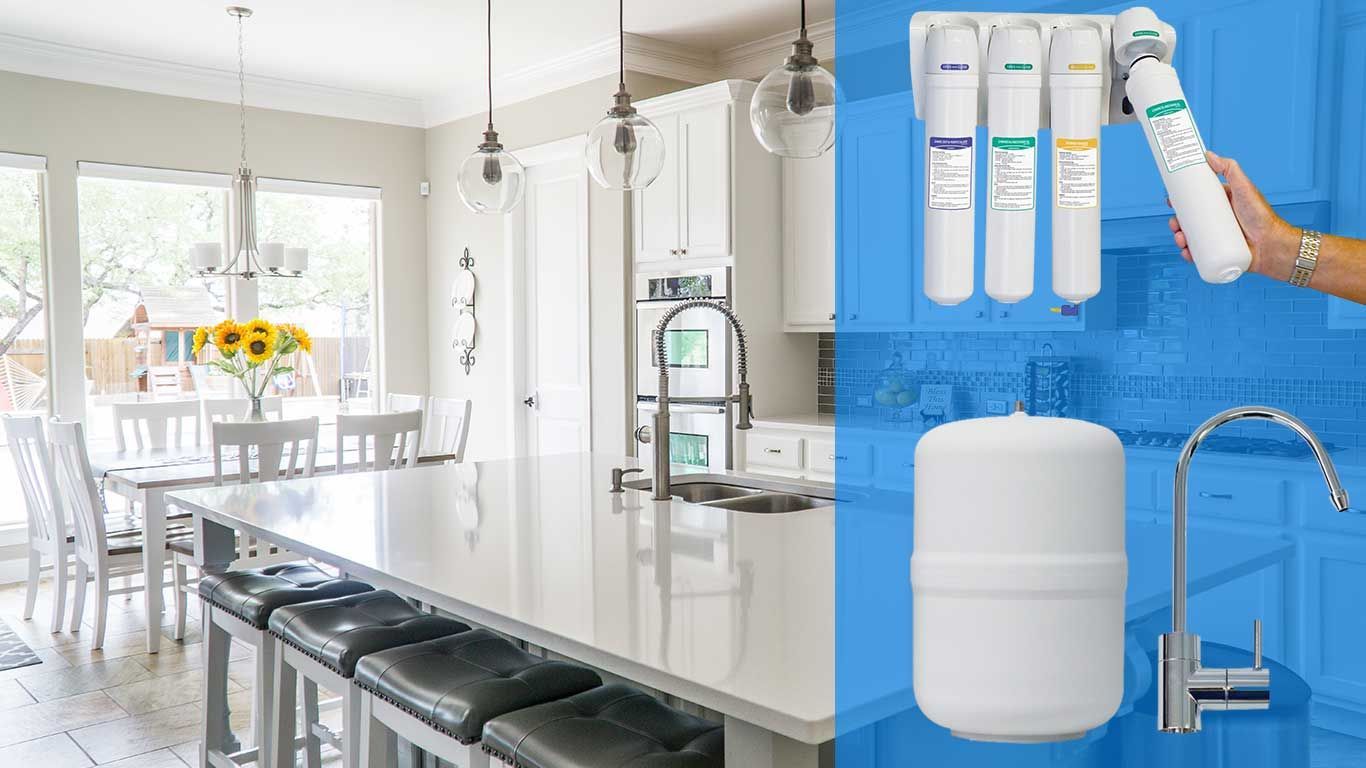
As a homeowner in Cliffton Township, Pennsylvania, understanding the basics of water system maintenance can save you time and money. Whether it's a minor leak or a routine check-up, knowing how to handle common issues is a valuable skill. In this guide, we'll walk you through essential DIY water system maintenance tips that are beginner-friendly and effective for keeping your home's plumbing in top condition.
Understanding Your Home's Water System
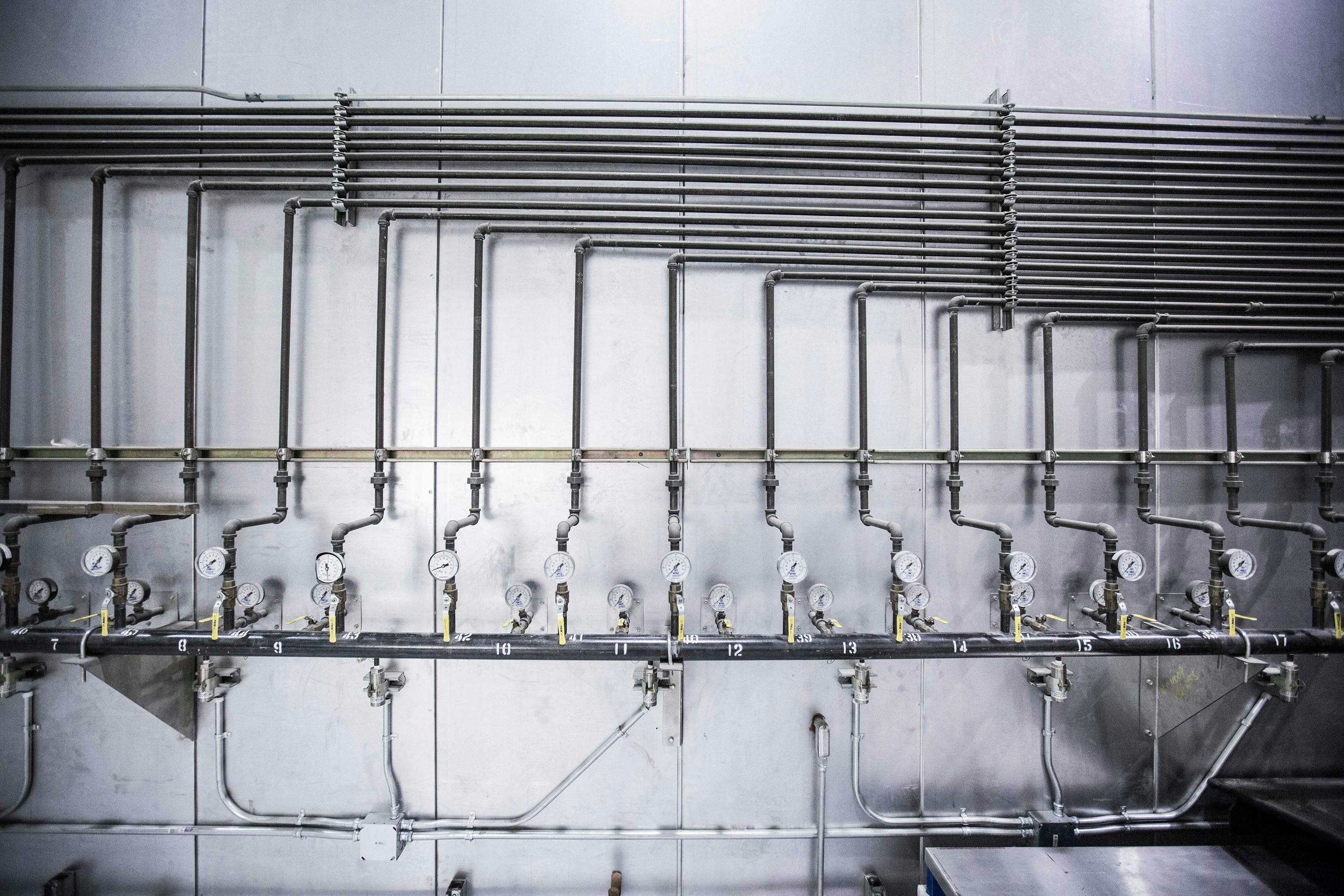
Before diving into maintenance, it's crucial to understand the components of your home's water system. Your system includes pipes, fixtures, and appliances that work together to provide clean water and dispose of waste. Key components include:
- Main Water Supply: The entry point for water into your home, typically connected to a municipal source or a well.
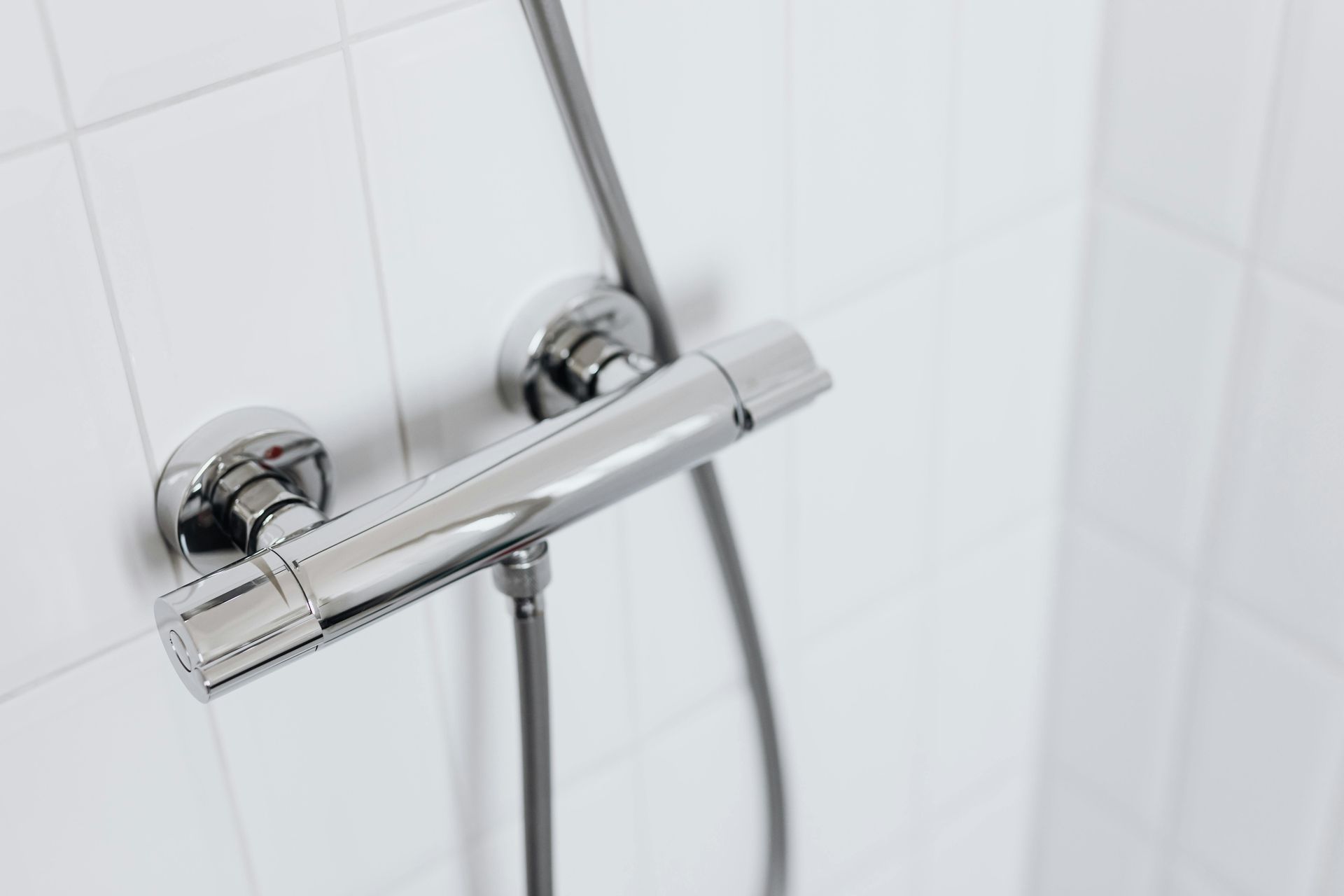
- Plumbing Fixtures: Sinks, toilets, showers, and baths that use water.
- Water Heater: Provides hot water for domestic use.
- Drain-Waste-Vent (DWV) System: Removes wastewater and allows air to enter for proper drainage.
Essential Tools for DIY Water System Maintenance
Having the right tools on hand can make maintenance tasks easier and more efficient. Consider investing in the following tools:
- Adjustable Wrench: Useful for loosening or tightening nuts and bolts.
- Plunger: Essential for unclogging toilets and drains.
- Pipe Wrench: Necessary for working with pipes and fittings.
- Drain Snake: Helps remove obstructions in pipes.
- Plumber's Tape: Seals pipe threads to prevent leaks.
Regular Maintenance Tips
Implementing a regular maintenance routine can prevent major issues and extend the life of your water system. Here are some beginner-friendly tips:
Check for Leaks
Inspect all visible pipes and fixtures for leaks. Pay special attention to areas under sinks and behind appliances. Leaks can lead to water damage and increase your water bill.
Test Water Pressure
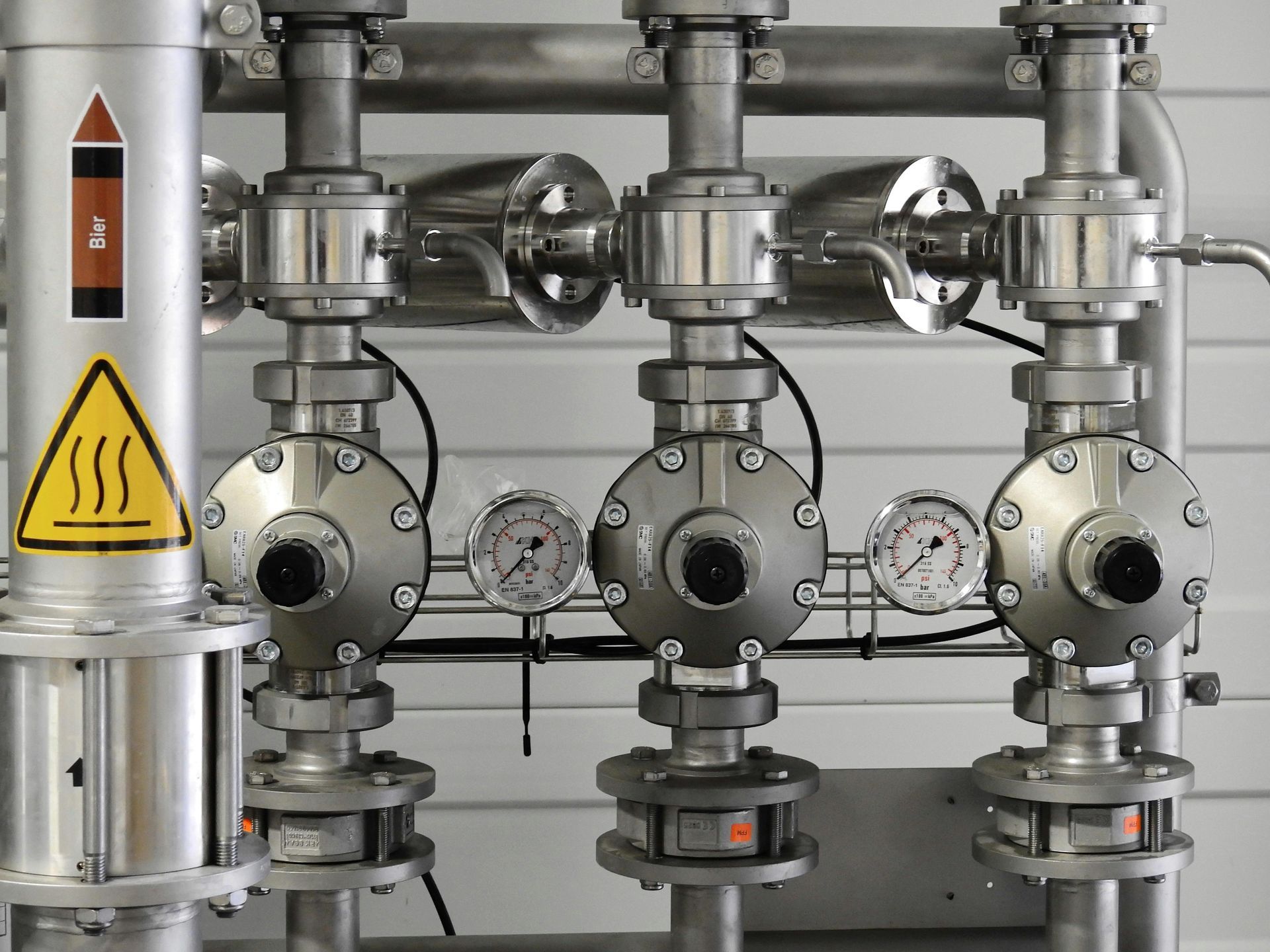
Use a water pressure gauge to ensure your home's pressure is within the recommended range (40-60 psi). High pressure can damage pipes, while low pressure may indicate a blockage.
Flush Your Water Heater
Over time, sediment can build up in your water heater, reducing efficiency. Drain the tank annually to remove sediment and improve performance.
Clean Faucet Aerators
Mineral deposits can clog aerators, reducing water flow. Unscrew the aerator from the faucet and soak it in vinegar to dissolve deposits.
Troubleshooting Common Problems
Even with regular maintenance, issues can arise. Here's how to troubleshoot common problems:
Unclogging Drains
If a sink or shower drain is slow, try using a plunger or drain snake to remove the blockage. Avoid chemical drain cleaners, as they can damage pipes.
Fixing Running Toilets
A running toilet can waste gallons of water daily. Check the flapper valve to ensure it's sealing properly. Replace if worn or damaged.
Addressing Low Water Pressure
If your water pressure is low, check for leaks or obstructions in pipes. Cleaning the aerators and showerheads may also improve flow.
When to Call a Professional
While many maintenance tasks are DIY-friendly, some situations require professional assistance. Contact Freedom Flow Plumbing for:
- Major leaks or pipe bursts
- Water heater repairs or replacements
- Severe drain blockages
- Plumbing system installations
Our team in Cliffton Township is ready to help with all your water system needs.
Conclusion
By following these beginner-friendly maintenance tips, you can keep your home's water system in excellent condition while minimizing the risk of costly repairs. Remember, regular attention to your plumbing not only ensures functionality but also contributes to the overall value and safety of your home. For more complex issues or professional advice, don't hesitate to reach out to the experts at Freedom Flow Plumbing, your trusted partner for water system solutions in Cliffton Township, Pennsylvania.
Stay tuned for more insightful tips and solutions tailored to your needs as a homeowner!